

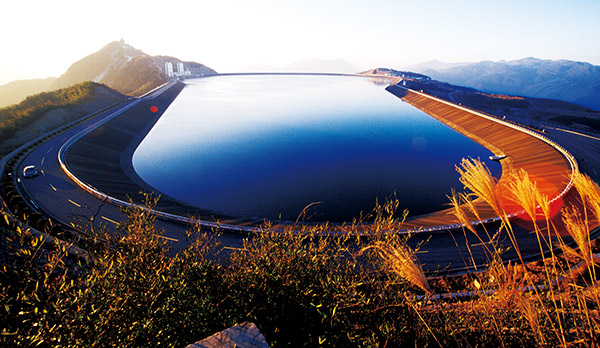
 Located at the geographic centre of the Yangtze River Delta economic circle, Anji is an important northwest node of Hangzhou’s urban economic circle and also a pilot open area of low-altitude airspace. At present, Anji, along with Shanghai, Nanjing, Hangzhou, Huzhou and other surrounding medium- and large-sized cities, constitutes parts of the three-hour and one-hour traffic circles. Transportation infrastructure is continually being upgraded to make transportation to and from Anji faster and more convenient. The Shanghai–Hefei–Hangzhou High-speed Railway will be completed and opened in 2019, transporting passengers from Anji to Shanghai in only 40 minutes. Furthermore, the Intercity Rail Transit Project to Hangzhou has been incorporated into the traffic development plans of Zhejiang Province and Hangzhou City. The Xitiaoxi Channel, one of the seven major rivers in Zhejiang Province, is interconnected with the Beijing–Hangzhou Grand Canal, and the Anji International Logistics Park of Shanghai Port, with an annual throughput of 600,000 standard shipping containers, enables 1,200 tonnages of ships to reach Shanghai Port directly.
 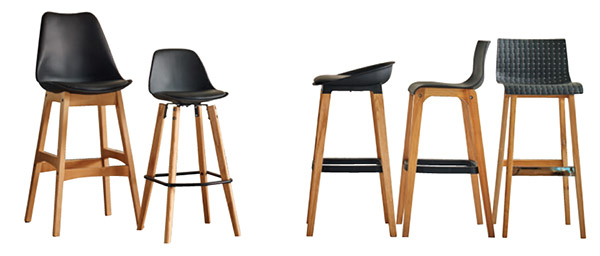 In 2018, the sales revenue of the Anji chair industry reached RMB39.4bn, and now it has become the largest office chair production base in the world. The products were used for the G20 Hangzhou Summit, the BRICS Summit in Xiamen, the Shanghai Qingdao Summit, the Russian World Cup and the World Internet Conference. On 1 March, the first high-speed railway train named “Anji Chair Industry” made its first trip from Shanghai Hongqiao High-speed Railway Station, marking the first high-speed railway publicity event in Mainland China aimed at promoting a brand of industrial manufacturing clusters.