Sunscreen Monograph: FDA Adds Bemotrizinol in Latest Update
The US Food and Drug Administration (FDA) issued a Final Administrative Order on June 10, 2026, amending the OTC sunscreen monograph (M020) for the first time in over 20 years. The primary purpose of this order is to add bemotrizinol as an approved active ingredient for over-the-counter (OTC) sunscreen drug products.
The order follows a review of safety and efficacy data that concluded that bemotrizinol can be considered generally recognized as safe and effective (GRASE) when used under the defined conditions of the monograph.
Permitted use level: Bemotrizinol is allowed in sunscreen formulations at concentrations up to 6%, provided the finished drug product has a minimum sun protection factor (SPF) value of at least two
Formulation conditions: Products must comply with existing OTC Monograph M020 requirements, including limits on ingredient combinations and overall product conditions
Combination use: Bemotrizinol may be used alongside certain skin protectants, subject to monograph conditions
Dosage forms: Approved product forms include oils, lotions, creams, gels, butters, pastes, ointments, sticks and specific spray formats (with restrictions on propellant contact)
Marketing: Sunscreen products containing bemotrizinol can be marketed without submitting a new drug application, provided they fully comply with the monograph requirements
Aligning with Global Sunscreen Markets
This decision represents a notable modernization of the US sunscreen framework, as it introduces a new UV filter into the OTC system and expands formulation options for manufacturers. Bemotrizinol has been widely used internationally, and its inclusion may help align US sunscreen offerings more closely with global markets while maintaining FDA safety standards.
Discover Quality Sunscreen and Top Beauty Products
Beauty care products such as sunscreen have become daily necessities for all health-aware individuals, and they present enormous business opportunities for global traders.
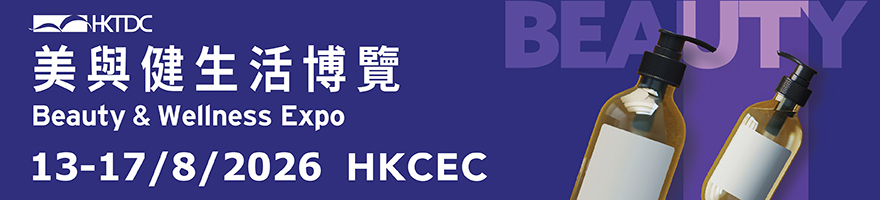
Visit our upcoming Beauty & Wellness Expo this summer to explore diverse beauty and wellness products tailored to all age groups, while connecting with wellness professionals across industries.
Reserve your spot by clicking the banner below:
If you are a beauty product manufacturer/supplier who wants to reach out to global buyers, here’s a chance to expand your online presence! Join our e-Marketplace to connect with millions of international buyers eager to market your wellness utilities.
Fill out the form below and we will be in touch soon:
This article is originally published by SGS. For more details, please visit SGS TIC Mall.
SGS is the world’s leading Testing, Inspection and Certification company. Our brand promise – when you need to be sure – underscores our commitment to trust, integrity and reliability.
Bemotrizinol FAQ
1. What UV types does Bemotrizinol cover?
In most formulations, it protects against UVA and UVB (broad-spectrum). It’s often used as a high-performance filter in sunscreen products.
2. Is Bemotrizinol suitable for sensitive skin?
It’s often described as well-tolerated, but it depends on the entire product formula (e.g., emulsifiers, alcohol, fragrance, preservatives). If you have very sensitive skin, do a patch test.
3. Can I use Bemotrizinol daily?
Yes. It’s commonly used for everyday UV protection, especially in products aiming for long-lasting, broad-spectrum coverage. Use enough product for adequate protection and reapply when needed.