


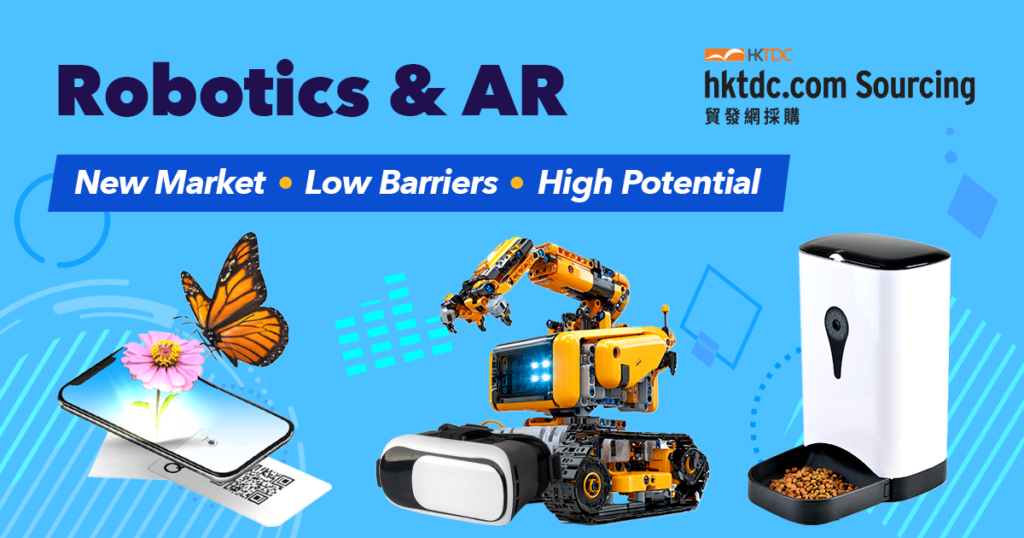
As we move into 2026, robotics isn’t just for factories or specialist tech shows—it’s entering daily life at every level, unlocking fresh opportunities for consumer electronics suppliers, toy makers, and gifting companies. The big story isn’t only about high-tech robots or industrial machinery. Instead, explosive global growth is coming from budget-friendly, entry-level robotics: hands-on kits, engaging toys, inventive gadgets, and AR-powered experiences that suppliers of any size can offer to a rapidly expanding market.
Robotics Market Outlook: Explosive Growth, New Opportunity
The global robotics market is forecast to surge from $63.24 billion in 2024 to $200.87 billion by 2032, with an impressive compound annual growth rate (CAGR) of 15.59% over 2025–2032. For 2026 alone, the sector is expected to reach nearly $148 billion as consumer and educational products—rather than just industrial robots—take center stage. More specifically, consumer robotics sales are predicted to soar from $13.69 billion in 2025 to over $102 billion by 2034, showing how fast robotics is becoming a common part of everyday products.
This growth is democratizing robotics across markets. Advances in miniaturization, software, and price reductions have made smaller, affordable, and engaging robotics products accessible—opening new business opportunities for independent suppliers, established consumer brands, and innovative newcomers alike.

Expanding Product Categories: For Kids, Gifting, Home and Beyond
The new robotics and AR trends of 2026 are democratizing technology. Today, suppliers can break into sectors that previously seemed too specialized or tech-heavy—whether toys, gifts, or home goods. Rather than competing solely on price or specs, there are vast new markets for responding to evolving lifestyles and consumer demand for tech-enabled, interactive experiences. Before, robotics was mainly the stuff of science fairs or high-end electronics. But now, accessible innovation is opening doors industry-wide.
Toys and Education
STEM robotics kits, coding robots, and programmable learning gadgets are driving robust growth in educational and toy segments. These kits are designed not just for play, but for hands-on assembly, modular experiences, and app-based interaction, allowing children and students to explore coding and engineering through real-world experimentation. For instance, a kit might let a child build a moving car or animal, then use a simple app to “code” its movements—following a line, solving a maze, or dancing on command. Coding robots often use drag-and-drop instructions, making programming accessible even to young children. As parents and educators seek creative, screen-lite resources for learning, demand for these kits continues to rise— helping the global robot kits market grow at a forecasted 8.2% CAGR to reach $3.1 billion by 2033.

Gifting
Tech-enhanced gifts—including interactive robotic toys, programmable figurines, and AR puzzles—are resonating strongly with Gen Z and millennial shoppers. Today’s products offer more than novelty: interactive toys respond to voice commands, gestures, or environmental triggers, while programmable figurines might allow users to record messages, set light patterns, or program basic routines. Augmented reality puzzles and greeting cards elevate traditional gifting by unlocking digital content—such as 3D animations or video messages—when recipients scan a code with their smartphone. This kind of experiential, shareable technology directly appeals to Gen Z, a demographic known for prioritizing gifts that are unique and “social media ready.”
Gen Z, projected to make up over 30% of global retail spend by 2026, are redefining holiday and gifting trends—not through bigger budgets, but through their demand for interactive, experience-first products that blend digital and real-world value. In 2025, 92% of Gen Z consumers reported interest in using AR tools while shopping online, and more than half say they pay closer attention to brands that offer immersive, socially shareable experiences. As this cohort continues to shape the market, demand for innovative and tech-savvy gifting—especially those with AR or creative self-expression appeal—is expected to remain strong through 2026 and beyond.

Home Products
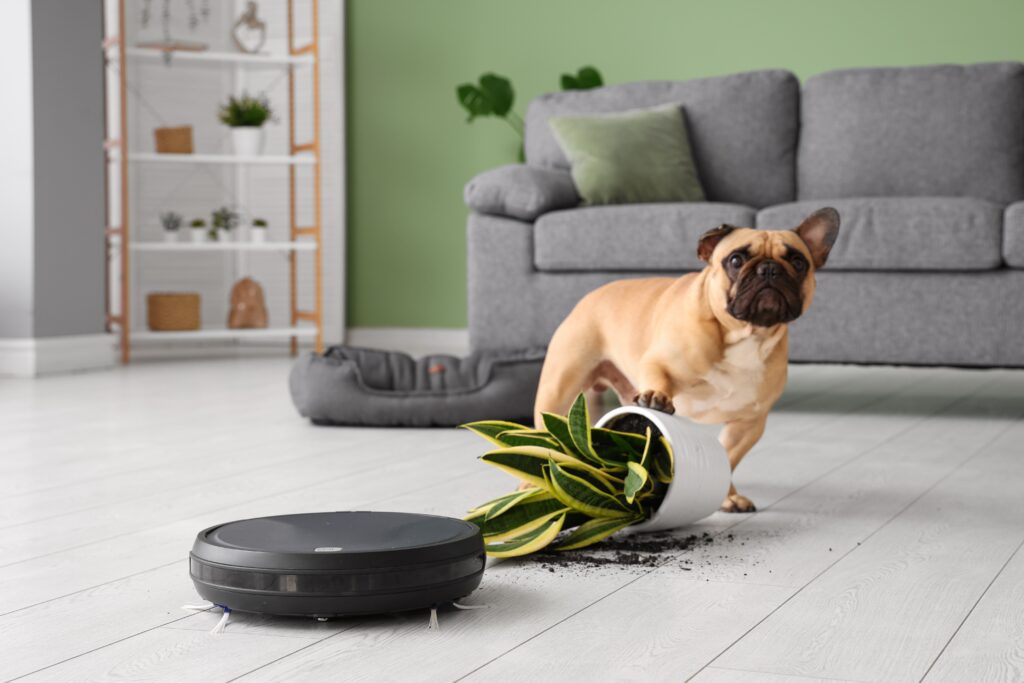
Affordable home robotics, once considered premium, have now achieved broad market acceptance. Compact robot vacuum cleaners, smart pet feeders with remote monitoring, and mini personal assistant bots are now household staples for many. Pet helper robots, for example, can dispense food on a schedule, let owners check in with onboard cameras, or send smart notifications when pets interact with the device. Mini assistant bots might play music, offer reminders, or serve as central hubs for smart home controls—all at price points accessible to average consumers. As these smart devices gain traction in online and retail channels, suppliers are well-positioned to diversify and innovate, responding to growing consumer expectations for real value in home tech.
Suppliers now have the chance to capture robust growth across toys and education, gifting, and home as robotics and AR redefine what’s possible. The key to seizing this opportunity lies in offering products that blend accessibility, interactivity, and genuine user value, as small-scale robotics becomes an essential differentiator across categories.
Showcase your smart home innovations to reach buyers embracing the future of connected living today.
Why AR Represents a Fresh Opportunity for Suppliers
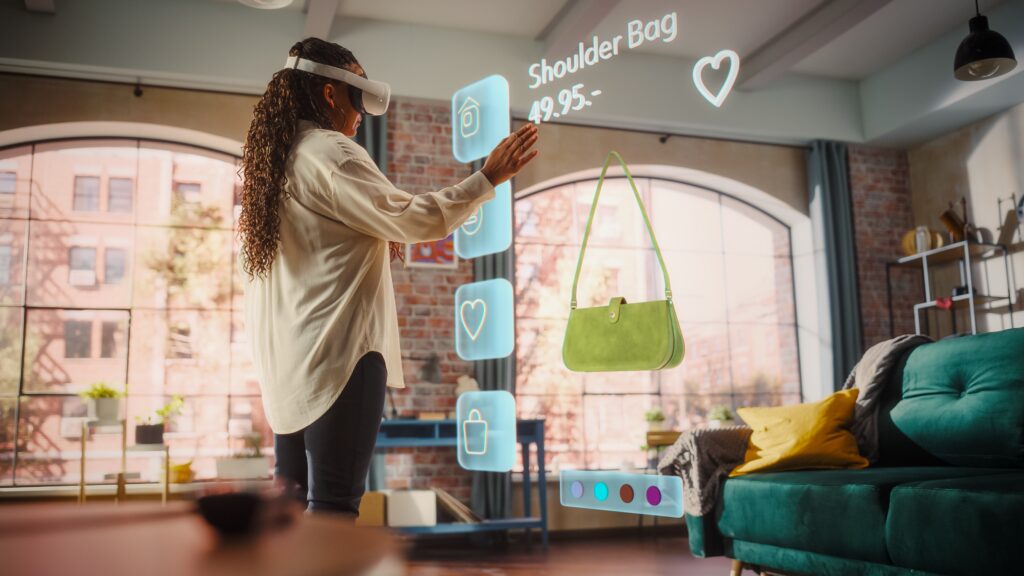
While affordable robotics hardware has unlocked new product categories—such as consumer-oriented kits, interactive toys, and accessible home devices—AR takes a different approach. Rather than building new hardware, AR lets suppliers “layer” digital experiences onto existing physical products like puzzles, storybooks, or greeting cards. This means the upfront investment is often lower, since it’s primarily about enhancing the product experience with software or digital overlays, rather than manufacturing new electronic devices.
This allows suppliers to:
- Breathe new life into traditional categories. For example, a supplier with a declining greeting card or puzzle business can add an AR component, transforming a familiar item into a digital experience that attracts tech-savvy buyers and uses more shelf or screen space at retail. Instead of only competing on price or print quality, the AR layer offers new value—such as sending personalized video messages, unlocking 3D animations, or creating interactive games tied to the holiday or event. This opens doors to both digital-native consumers (who expect more from physical goods) and younger gift-buyers who enjoy sharing these experiences on social platforms.
- Reach new and younger demographics. AR products are especially popular among Gen Z and millennial consumers. According to Deloitte, 50% of Gen Z have used AR for interactive shopping or entertainment in the past year, and 70% say they’d be more likely to purchase products offering personalized or shareable AR features. Greeting cards, puzzles, and children’s books with AR enhancements are reported as top social-media-driven gift items in trend reports for 2025 and 2026.
- Drive higher engagement and repeat business. Industry data shows that AR-enabled products in e-commerce achieve up to 35% higher repeat purchase rates compared to standard versions—a pattern that is starting to appear in toys, puzzles, and gifting categories as AR-integrated sales rise. Furthermore, AR-enhanced gifts are over 60% more likely to be photographed or shared on social media by buyers or recipients, extending brand visibility at little extra cost.
In summary:
For suppliers—whether new entrants or traditional players—AR is less about competing with robotics hardware and more about adding affordable, high-impact digital content to existing product lines. It’s not about replacing greeting cards or puzzles, but about making those products relevant and exciting again in a digital age, thus broadening market reach and increasing the likelihood of repeat or viral sales.
Who’s Buying? Gen Z, Parents, And The Everywhere Market
What is powering this surge in demand? Above all, it’s a new generation of buyers: Gen Z, digital-native parents, and global gift-givers who prize cutting-edge experiences and shareable, interactive products.
Gen Z, projected to make up over 30% of global retail spend by 2026, heavily influences trends across continents. They discover new products on social media, value gifts they can share online, and are far more likely to purchase tech-enhanced items than prior generations. A 2025 report found that 39% of Gen Z shoppers research and compare gift options digitally, seeking novelty and smart features.
Parents, educators, and family shoppers are also key markets. As STEM education becomes a policy priority in Asia, the US, and Europe, demand for hands-on, programmable robots and AR-enhanced learning tools continues to rise. These products answer the growing call for screen-lite, at-home engagement and supplement school curriculums.
Meanwhile, the desire for unique business and holiday gifts is propelling programmable gadgets, custom AR cards, and interactive games into new retail channels, from boutique gift shops to major B2B export catalogs.
By understanding and targeting these diverse but converging markets, suppliers can position their product lines for maximum reach and relevance. Gen Z’s appetite for tech-forward, shareable experiences, parents’ demand for educational and screen-lite engagement, and the broader gifting market’s shift toward interactive, memorable products all point in the same direction: affordable robotics and AR-enhanced goods are no longer niche—they’re mainstream. Suppliers who align their offerings with these buyer priorities stand to capture growth across toys, education, gifting, and home categories simultaneously.
Trusted Data and Market Insights: What’s Driving Growth?
Market momentum for robotics and AR-enhanced products isn’t just hype—it’s grounded in robust global trends and spending patterns across generations. Comprehensive industry research and recent sales statistics highlight both the accelerating expansion and the democratization of these product categories. The numbers speak for themselves:
- Robotics worldwide will surpass $147 billion in 2026 and more than double by 2032.
- Consumer robotics will leap from $13.7 billion in 2025 to over $100 billion by 2034, with affordable robotics kits, toys, and home devices driving new adoption.
- Gen Z’s annual tech spend and gifting budgets continue to set records, with high engagement in AR, programmable, and interactive product categories.
- STEM kits, AR puzzles, and smart card games are set for continued double-digit growth—surging as families, schools, and workplaces prioritize hands-on, digital-friendly engagement.
- Retail price points of US$20–$80 are now typical for programmable kits and AR-enhanced gifts, increasing accessibility for mass-market buyers and small shops alike.
Such strong underlying trends guarantee that suppliers aligning early with these shifts will be best placed to benefit from growing buyer enthusiasm in 2026 and beyond.
Supplier Takeaways: Get Ready, Move Fast
To make the most of these macro and micro market waves, suppliers should experiment with small product launches—starting with programmable robotics kits, smart home devices, and AR-enabled gifts or creative gadgets that align with current demand trends. Expanding your catalog to feature both robotics and AR-powered goods allows you to reach buyers across multiple demographics, including Gen Z, millennial parents, schools, and corporate clients seeking memorable gifts. Maintaining an updated presence on major sourcing platforms like hktdc.com Sourcing is essential, as global buyers increasingly search for the next “big thing.”
Today’s most successful products balance value, interactivity, and fun—helping buyers enjoy hands-on learning, smart play, convenience, or gifting with a digital twist. By taking these actions, suppliers remain agile and responsive, well-positioned to lead as robotics and AR continue to redefine consumer markets in 2026. Now is the time to innovate, diversify, and tap into these fast-growing opportunities—don’t get left behind. Grow your listings on hktdc.com Sourcing now to find new buyers across generations and channels
Robotics Market Data and Outlook
Statista, GlobeNewswire, DataHorizzon Research, SNS Insider, International Federation of Robotics (IFR), Mordor Intelligence
Consumer Robotics, STEM Kits, and Educational Products
MarketsandMarkets, Educational Robots Market Report, NPD Group, Precedence Research, Statista (Consumer Robotics), PlayShifu, Learning Resources, Euromonitor International
Gifting, Gen Z Buyer Trends, and AR/Immersive Product Insights
Deloitte Digital Consumer Trends, PwC Holiday Outlook, eMarketer, Coresight Research, Business of Apps (AR Product Trends), LinkedIn Pulse (AR in Retail), Numerator
Home and Smart Robotics
Statista (Home Robotics and Smart Devices), Grand View Research, International Federation of Robotics, Euromonitor International, RetailDive
Augmented Reality (AR) Market and Engagement Statistics
Coresight Research, Deloitte (AR and Gen Z), Business of Apps, Snap AR Consumer Reports, Shopify AR/VR Industry Insights, Criteo (AR Commerce Data)
Supplier Opportunities, Buyer Channels, and Sourcing Platforms
HKTDC Research, Sourcing Journal, Sourcing Industry Reports, McKinsey & Company, Euromonitor International, Marketplace Procurement Surveys