

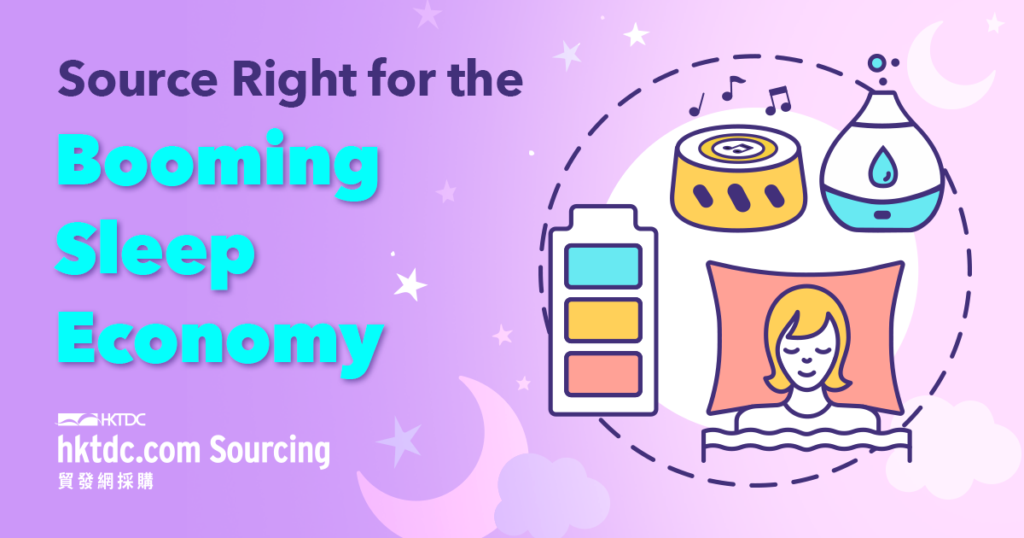
Sleep has fundamentally transformed from a passive necessity into an active pursuit of wellness. Across the globe, consumers no longer simply want more sleep—they want better sleep. This shift represents one of the most significant opportunities in the wellness economy, as health-conscious individuals increasingly invest in products that enhance the restorative quality of their rest.
The numbers underscore the magnitude of this opportunity. The global sleep market, valued at $67.8 billion in 2024, is projected to reach $113.6 billion by 2033, expanding at a 5.9% CAGR. When accounting for the broader sleep economy—encompassing healthcare, technology, retail, and hospitality—the market stood at $500 billion in 2024 and is forecast to surpass $1 trillion by 2033. For buyers seeking high-growth product categories, sleep wellness presents an attractive cross-industry proposition.
The Consumer Mindset: Why Quality Sleep Has Become a Global Health Priority
he consumer landscape has undergone a profound transformation in how people perceive and prioritize rest. According to NielsenIQ’s 2025 Global Health & Wellness survey of nearly 19,000 respondents across 19 countries, 63% of consumers worldwide now prioritize getting quality sleep more than they did five years ago. This finding aligns with broader wellness trends: 70% of global respondents assert they are actively taking charge of their health management, and 55% are prepared to invest more than $100 monthly on nutrition, self-care, and physical and mental well-being.
The scale of sleep challenges is truly global. A comprehensive study published in Sleep Medicine Reviews in 2025 estimated that 852 million adults worldwide have insomnia, representing a 16.2% global prevalence. The WIN 2025 survey of nearly 35,000 individuals across 39 countries found that 38% of the global population reports poor sleep quality—up from 35% in 2021. Yet despite this widespread awareness, many consumers have not sought professional help, instead turning to products and self-directed solutions to bridge the gap.
Gen Z and millennials are particularly invested in sleep wellness, ranking it among their top two health priorities. These younger shoppers are more willing to experiment with innovative solutions and more likely to purchase across a wider range of discretionary wellness items—from sleep trackers to ambient environment devices—driving demand for smart, connected products.

Smart Sleep Tech: Meeting the Global Demand for Data and Control
The technology sector within the sleep economy is experiencing the most dynamic growth, driven by consumers who want actionable insights into their rest patterns. The global sleep tech devices market, valued at $27 billion in 2025, is projected to reach $114 billion by 2035, representing an impressive 15.5% CAGR. NielsenIQ research reveals that 74% of consumers globally prefer tech products equipped with health and wellness features, and 63% believe these devices effectively enhance their overall well-being.
This surge in demand is fueling rapid innovation across three specific high-growth categories designed to customize and optimize the sleep experience.
Sound machines and white noise devices address the environmental factors that disrupt urban sleep worldwide, masking intrusive noise with calming audio. The global white noise machine market, valued at $1.5 billion in 2024, is projected to reach $3.3 billion by 2035, growing at a 7.2% CAGR. These devices have evolved from simple single-sound units to sophisticated multi-function offerings with adaptive soundscapes, Bluetooth connectivity, and smart home integration. North America and Asia-Pacific together account for over 60% of global demand.
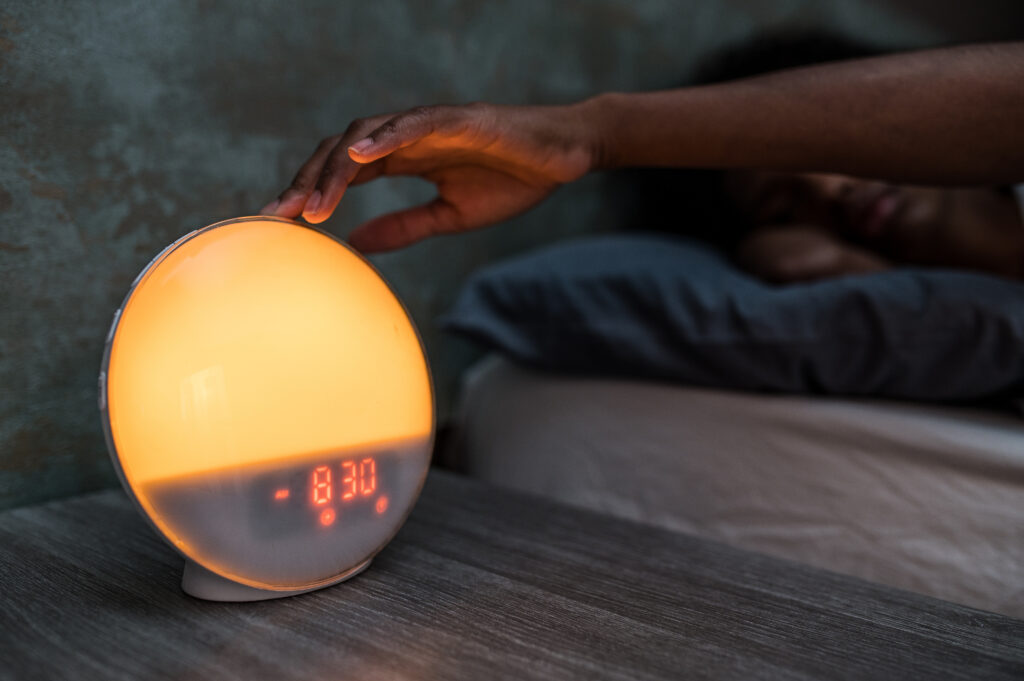
Sunrise alarm clocks and wake-up lights work with circadian rhythms rather than against them, using gradual light simulation to facilitate natural waking. This market, valued at $264.6 million in 2023, is expected to reach $630.2 million by 2031, growing at a robust 16.7% CAGR. Modern devices incorporate sunset simulation for falling asleep, customizable light colors and intensities, voice assistant integration, and companion app control.
Sleep trackers and monitoring devices satisfy the data-driven consumer who wants to understand their sleep stages and receive personalized recommendations. The global smart sleep tracker market is projected to reach $3.5 billion by 2033 at a 12.5% CAGR, with wearables expected to capture 52% of market share by 2035. A peer-reviewed study of AI-powered temperature-regulating sleep systems found that users experienced up to a 22% increase in deep sleep and up to a 25% improvement in REM sleep, demonstrating the tangible benefits these technologies deliver.
Sourcing Strategy: This category offers strong margins and clear differentiation opportunities. Prioritize multi-function devices that combine sound generation, light therapy, and smart connectivity, as these offer greater perceived value and support premium positioning.
Explore tech-enhanced sleep devices to tap into this fast-growing wellness category.
Functional Bedding: Where Textiles Meet Therapeutic Wellness
The functional bedding segment represents the evolution of home textiles into active wellness tools. Consumers worldwide are increasingly seeking bedding that delivers a dual benefit: luxurious comfort combined with specific physiological outcomes—such as better neck and spinal support from pillows, and optimized thermal regulation from blankets and linens.
Three product categories are leading this shift toward comfort-driven, functional sleep solutions.
Premium Bedding Sets and Duvet Covers serve as the foundational layer of sleep comfort, with consumers increasingly prioritizing tactile softness and breathability. The global duvet covers market, valued at $8.5 billion in 2023, is projected to reach $12.9 billion by 2032, growing at a 4.6% CAGR. Research from Cotton Incorporated indicates that 59% of consumers consider softness a crucial decision factor, while 56% are willing to pay a premium for high-quality, cotton-rich sheets. This demand is driving growth in complete bedding bundles that feature breathable, sustainable materials like organic cotton and bamboo, which cater to the “sleep sanctuary” trend where aesthetics meets functional comfort.
Ergonomic and memory foam pillows constitute another high-growth category, as consumers seek targeted solutions for neck pain and postural alignment. According to the National Sleep Foundation, 65% of consumers experience sleep problems, with many seeking pillow solutions that address discomfort-related disruption. The ergonomic pillow segment specifically, valued at $2.5 billion in 2024, is expected to reach $4.2 billion by 2033 at a 7.5% CAGR. Modern options offer contoured designs for different sleep positions, cooling gel infusions, and adjustable loft options.
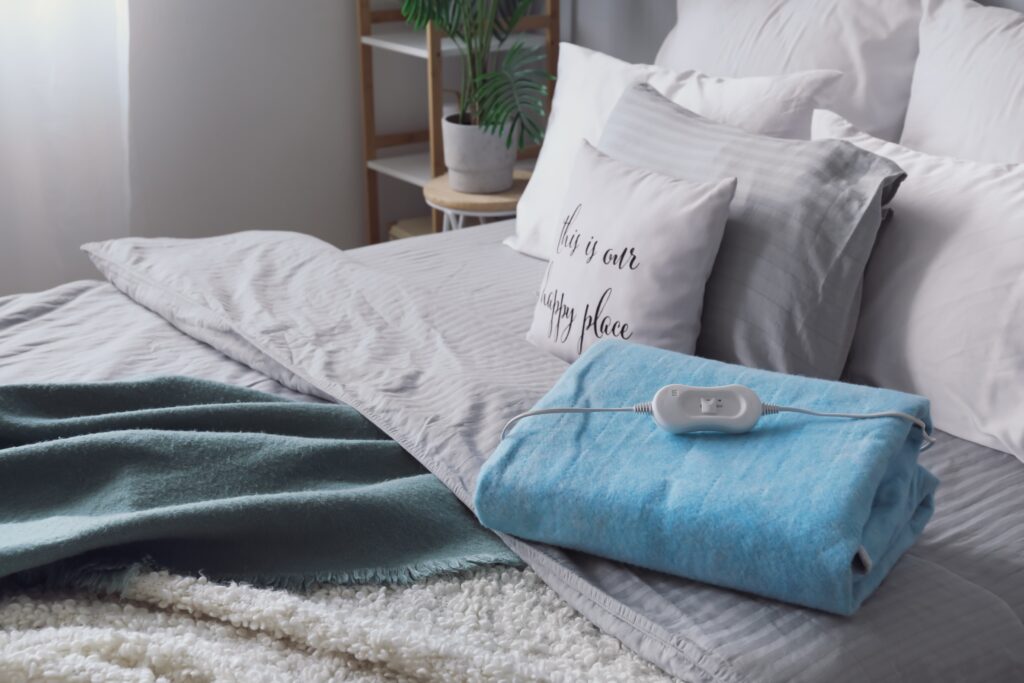
Temperature-regulating bedding—ranging from electric heated blankets to cooling bamboo fibers and silk—addresses thermal comfort, which significantly influences how quickly consumers fall asleep and how continuously they remain asleep. The luxury bedroom linen market was valued at $4.7 billion in 2024 and is expected to grow at a 7.7% CAGR through 2030. Beyond traditional fabrics, active solutions like electric heated blankets are seeing renewed demand, with modern iterations featuring adjustable heat zones, auto-shutoff safety timers, and plush, washable materials that allow for personalized sleep temperatures.
The Value Proposition: Functional bedding offers strong repeat purchase potential, clear wellness-benefit positioning, and opportunities for premium pricing. By emphasizing comfort, quality materials, and sleep-enhancing features, these items stand apart from basic bedding—justifying higher price points and stronger customer loyalty.
Discover the extensive bedding solutions that support restful, restorative sleep for customers.
Sleep Environment Products: Creating the Optimal Sensory Sanctuary
Beyond what consumers lie on, where they sleep profoundly affects rest quality. Research consistently demonstrates that bedroom environment directly impacts sleep outcomes, with air quality, humidity, scent, and light playing critical roles.
To optimize these environmental factors, three distinct product categories have become bedroom essentials.
Humidifiers have gained traction globally as consumers recognize their role in respiratory comfort, skin health, and allergen reduction. The global humidifier market, valued at $3.8 billion in 2025, is projected to reach $7.1 billion by 2035 at a 6.4% CAGR. The residential segment accounts for 61.5% of total demand, with product innovation introducing smart WiFi connectivity, integrated aromatherapy functions, and auto-shutoff sensors.
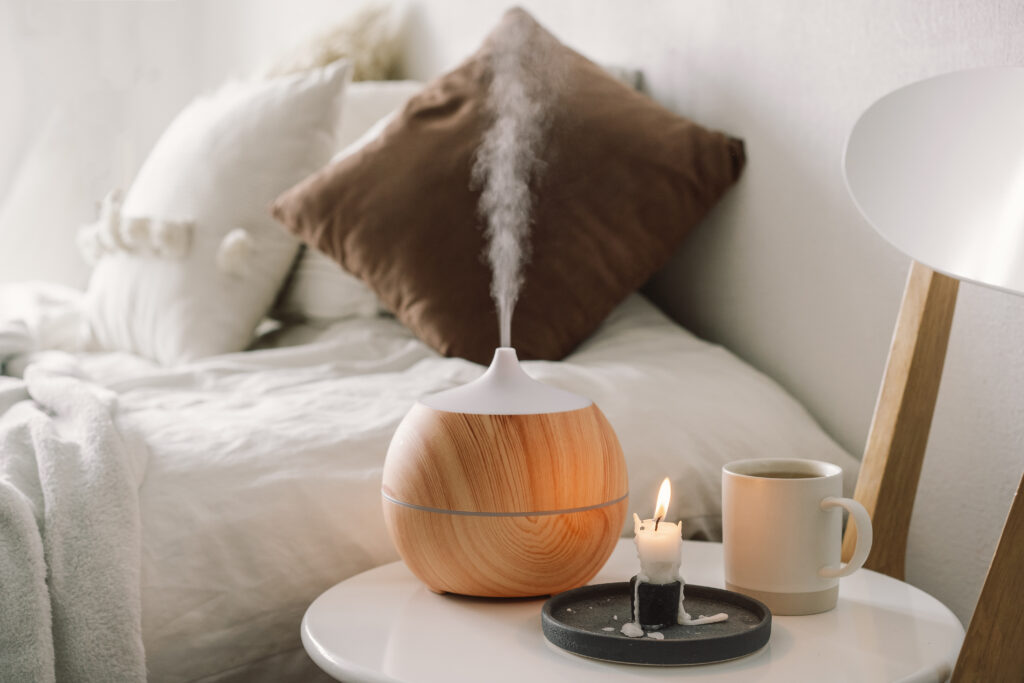
Aromatherapy diffusers tap into the wellness ritual of bedtime routines, using scent as a psychological trigger for relaxation. This market, valued at $2.3 billion in 2025, is expected to reach $4.3 billion by 2032 at a 9.4% CAGR. Scientific research supports the sleep benefits of specific scents, with lavender demonstrating particular effectiveness in reducing anxiety. Manufacturers are differentiating through multi-functionality—adding timer controls, LED ambient lighting, Bluetooth speaker integration, and app connectivity.
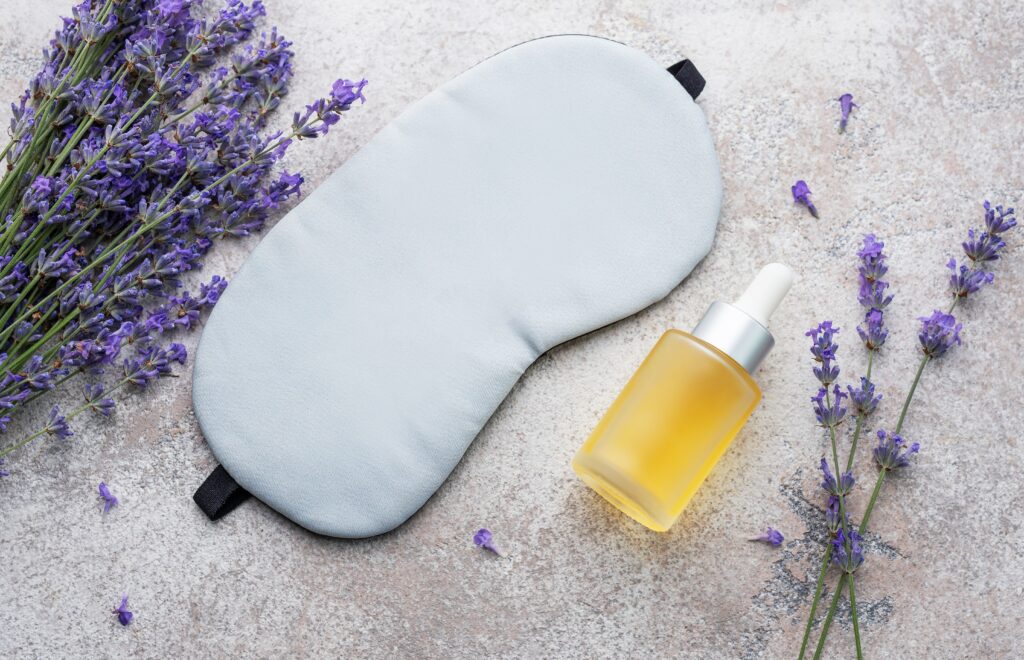
Eye masks and light-blocking solutions address the fundamental importance of darkness for melatonin production. Silk eye masks represent a premium subcategory valued at $120 million in 2024 and expected to reach $250 million by 2033 at a 9.4% CAGR. Steam eye masks—combining gentle warmth with aromatherapy in disposable formats—target consumers experiencing eye strain from digital device use.
Merchandising Tip: Sleep environment products serve as excellent “basket builders”—accessible items that customers easily add to their carts alongside larger purchases. Their affordable price points remove barriers for new customers, while their sensory appeal makes them highly effective for increasing average order value at checkout.
Browse sleep environment essentials that help consumers create the perfect bedroom atmosphere.
Strategic Bundling: The Sleep Sanctuary Approach
One of the most effective strategies for capturing value in the sleep wellness market involves curating complementary products into coordinated bundles. Consumers approaching sleep as a holistic health concern respond positively to solutions that address multiple aspects of their rest environment simultaneously.
Consider how complementary products can be assembled into compelling kits:
The “Deep Sleep” Kit pairs a premium duvet set with a white noise machine, addressing both tactile comfort and auditory environment. These products share a common consumer motivation—the desire for a calming, uninterrupted sleep experience—making them natural companions.
The “Travel Rest” Kit combines an ergonomic neck pillow, silk eye mask, and portable aromatherapy roll-on or mini diffuser. With international tourism recovering and business travel resuming, consumers increasingly seek portable solutions to maintain sleep quality on the move. Research shows that 63% of travelers report worse sleep while away, with noise (75%), lighting (72%), and bedding (70%) cited as top disruptors. Travel-specific bundles address this distinct pain point while introducing consumers to products they may subsequently purchase for home use.
The “Relaxation Ritual” Kit brings together an aromatherapy diffuser, a set of sleep-promoting essential oils (lavender, chamomile, bergamot), and a premium eye mask. This bundle positions sleep preparation as self-care ritual, resonating with consumers who practise yoga, meditation, or aromatherapy to enhance well-being.
The “Sleep Recovery” Kit for athletes and fitness enthusiasts combines a cooling pillow, electric heated blanket, and a sleep tracker. This bundle targets the growing understanding that sleep—and muscle relaxation—is critical for physical recovery and performance optimization.
By shifting focus from individual items to holistic solutions, buyers can significantly elevate average order value while delivering the comprehensive wellness experience consumers are seeking.
Growth Projections and Opportunities: 2026 and Beyond
The sleep wellness market’s trajectory shows no signs of slowing. Short-term projections for 2026 indicate that smart sleep tech will cross the $30 billion threshold, while the overall sleep economy is forecast to double from its 2024 valuation to exceed $1 trillion by 2033. This momentum is fueled by powerful macro trends: an aging population needing orthopedic support, widespread “sleep anxiety” affecting nearly 40% of Gen Z, and a booming B2B opportunity in hospitality—where 91% of travelers are now willing to pay a premium for sleep-enhancing accommodations.
For buyers, this convergence of consumer need and market expansion creates a clear mandate: the time to invest in sleep wellness is now.
hktdc.com Sourcing connects you with quality suppliers across the full spectrum of sleep products—from smart tech to premium bedding. Take action today to build an inventory that meets this growing demand, helping your customers achieve the rest they seek while driving your business goals for the new year.
Bonus for Suppliers
Global buyers are actively sourcing smart sleep technology, comfort-driven bedding, and sensory environment products from suppliers who prioritize innovation and wellness benefits. Join hktdc.com Sourcing now to connect with strategic buyers seeking high-quality solutions for the booming sleep economy.
Sleep Economy & Market Growth
Straits Research, Verified Market Reports, Global Wellness Institute (GWI), Market Research Future, Dataintelo, McKinsey Future of Wellness
Consumer Insights & Health Trends
NielsenIQ Global Health & Wellness Survey 2025, WIN World Survey (Worldwide Independent Network of Market Research), Sleep Medicine Reviews, National Sleep Foundation, IKEA Global Sleep Study
Smart Sleep Technology
Research Nester, Verified Market Research, Market Size and Trends, Cognitive Market Research, Grand View Research
Functional Bedding & Textiles
Market Research Future, WiseGuyReports, Cotton Incorporated, Dataintelo, Fortune Business Insights
Sleep Environment & Wellness Products
Future Market Insights, Coherent Market Insights, Research and Markets, LinkedIn Market Research Insights
Travel & Hospitality Trends
Global Wellness Institute (GWI), Hilton Trends Report, Hospitality Insights