Top Toy Trends 2027: The Rise of Licensed Characters and Must-Have Collectibles
The global toys and games market is entering a fascinating new cycle. According to industry sizing data from Fortune Business Insights, the global toys and games market is estimated at USD 138.37 billion in 2026, with projections to reach USD 240.61 billion by 2034, growing at a CAGR of 7.16% during this period. Growth is no longer being driven purely by traditional children’s categories — licensed toys and collectibles are a big bet in continuing the toy industry’s upward trajectory.
For B2B buyers, importers, and manufacturers sourcing for 2027, three categories stand out as the biggest opportunities: movie-licensed characters, cute collectibles, and scented toys. Here’s what the data and credible industry sources say.
1. Movie-Licensed Characters: Transition from Screen to Shelf
Licensing remains the single biggest growth engine in the toy aisle. Licensing now accounts for over one-third of all U.S. toy sales with reference to License Global, underscoring just how central fandom has become to the category.
From the FIFA World Cup and the 2026 Winter Olympics, to streaming hits, “memeable” moments, and viral fandoms, cultural touchpoints are driving toy momentum faster than the traditional movie-led cycle — instead of hinging on a single release date, a new era of licensing in toys is driven by fresh content drops, cross-platform storytelling, and thoughtful fan-first designs.
Connecting Audiences with Playful Collaborations
Netflix’s hit, “KPop Demon Hunters”, is a prime example of an entertainment IP reflective of today’s consumer product standards — the fanfare for this film was unexpected, but now it has become the most-watched animated film in Netflix history. Hasbro has moved fast: the world blends music, fashion, and emotion in a way that connects across generations and geographies. In 2026, Hasbro is translating that creativity into a lineup featuring special-feature plush, youth electronics and role-play items, along with co-branded collaborations.
Mattel has moved just as quickly: the company secured co-master toy licensing rights for “KPop Demon Hunters” for key categories including fashion dolls and collectibles, calling it the perfect window into pop culture driving innovation.
KPop Demon Hunters gains significant revenues from its licensing business.
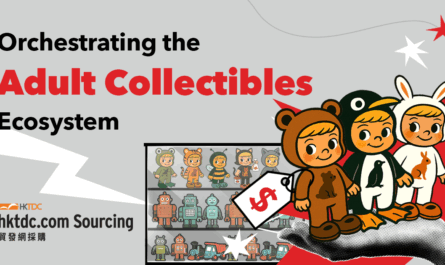
2. Cute Collectibles: The "Kidult" and Blind-Box Boom
Perhaps no trend is reshaping sourcing strategy more than the collectibles surge. Blind-box collectibles are projected to reach global revenue of USD 10.5 billion by 2028 according to Euromonitor, signaling renewed momentum for surprise-driven play.
Plush and “ugly-cute” figures are a dominant sub-trend globally. Brands like Jellycat, Sonny Angel, and Labubu-style monsters are leading design language because they feel like emotional tools: they soothe, decorate, and quietly show personal taste, not just fandom.
For sourcing teams, three commercial functions of these collectibles are worth noting: they pull traffic because people recognize the look fast, they create stories because every series has a clear theme, and they hold price better because hidden versions and limited drops create sustained demand.
Monster-like collectibles such as Fuggler will continue to surprise customers in related blind-box products through 2027.
3. Scented Toys: Sensory Play Meets Nostalgia
Scented and multisensory toys are moving from novelty add-on to a core design feature across multiple categories including slime, plush, dolls, and even puzzles. Scented toys are also being positioned within the broader wellness/sensory play movement. Reflecting growing awareness of children’s mental health and sensory needs, 2026’s wellness toys help young ones develop emotional regulation skills and explore calming sensory experiences, including sensory playsets with diverse textures, temperatures, and gentle scents for exploration and comfort.
This aligns with The Toy Association’s “Cozy Culture” trend, where consumers across age groups are embracing toys and games that prioritize comfort and engage the senses — think tactile materials, gentle interactivity, or botanical-themed and natural design aesthetics.
Beyond the core pillars of licensing and sensory play, the toy industry is prepared to deliver a vast wave of broader tech and sustainability innovations, including AI and tech-enabled smart toys, interactive gadgets, and ethically manufactured eco-friendly varieties.
Secure your competitive advantage by discovering the latest global innovations firsthand. Join us at the upcoming Hong Kong Toys & Games Fair, running from 11 to 14 January 2027. This remains the premier international trading platform to discover premium, high-margin products that captivate consumers across all generations.
Click the following banner to get started:
Discover more attractive toys and games on our e-Marketplace well before the trade fair too.
Toys Trends FAQ
1. What are the biggest toy trends heading into 2027?
Licensing is bigger than ever. At the same time, throwback toys are having a major moment, especially on social media. The industry is also seeing the growing significance of sensory toys.
2. Is toy sustainability still a major trend?
Yes. Trends like sustainability have emerged as a core consumer priority, with demand growing for eco-friendly and ethically manufactured toys.
3. What about STEM/educational toys?
They remain a strong growth category. Parents now view STEM toys and games as tools to empower kids to explore complex ideas.