The Future Tastes Different: Food & Tea Trends Dominating 2026
As we enter 2026, the global food and tea industries continue to explore innovations in sustainability, functional nutrition, and technology-driven traceability. For buyers and suppliers in the global food supply chain, staying informed about these emerging trends is critical to making data-backed business decisions.
Let’s kickstart by looking at some of the many food business opportunities!
Sustainability has moved beyond organic certification — the focus in 2026 is on regenerative agriculture and climate-smart crop systems. The Food and Agriculture Organization of the United Nations (UN FAO) has been very active in advocating comprehensive Agrifood Systems — detailing sustainable ways of how food is grown, harvested, processed, packaged, transported, distributed, traded, bought, prepared, eaten, and eventually disposed of.
Commercially, market leaders like Nestlé and Unilever have announced pilot projects in Africa and Southeast Asia integrating AI-powered soil diagnostics. As for tea, estates in Kenya, India, and Sri Lanka are using drought-resilient clones and shade-grown cultivation systems to combat erratic rainfall patterns.
🍵 2. Functional Foods and Nutraceutical Teas
Consumers increasingly seek scientifically backed wellness functions in everyday meals and beverages. Functional teas infused with hydration ingredients and functional additives in convenient formats, otherwise known as beverages with purpose, are driving premiumization according to Innova Market Insights.
Newest food product launches feature more comprehensive promotion of gut health benefits, including probiotics and prebiotics. For foods recognizing holistic wellness, product innovations include coconut water with electrolytes for hydration, and calcium- and protein-rich flavored milk for strong bones, tooth development, and tissue building and growth.
Functional foods often emphasize health benefits such as improving the gut microbiome.
🧠 3. Neuro-Nutrition and Cognitive Support Foods
The 2026 trend spotlight is shifting toward mental wellness foods — a natural progression from immune and gut health trends. Consumers around the world turn to food and beverage products for natural effects related to mental health such as energy, stress relief, and brain health.
Tea blends combining adaptogens from green tea, ashwagandha, and mushroom extracts can be highly appealing to consumers.
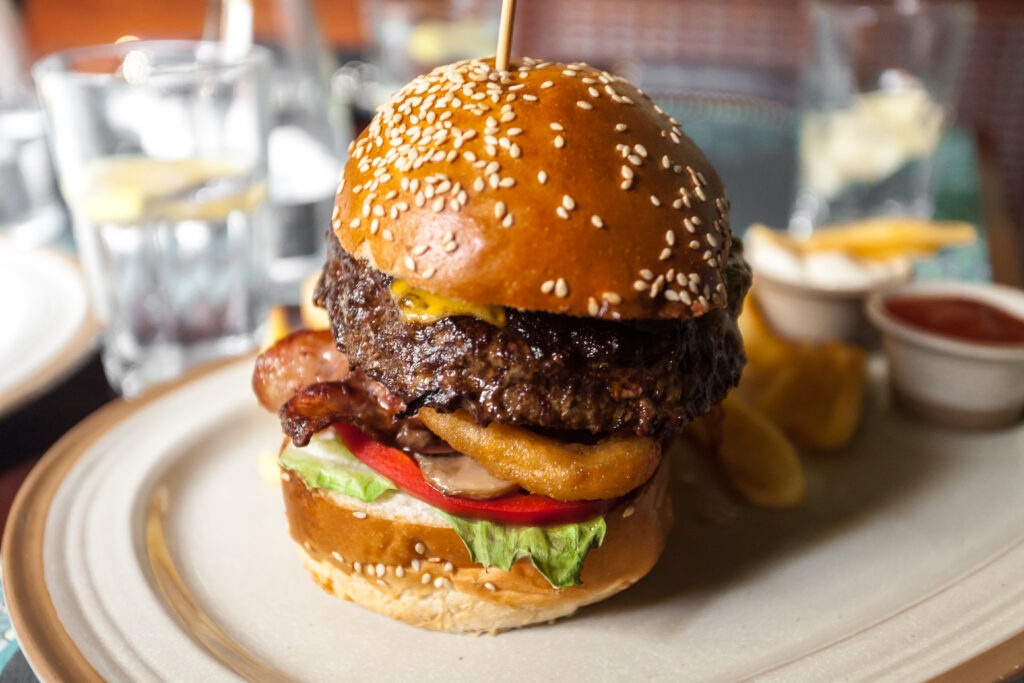
A recent NielsenIQ overview reveals that the tastiest growth opportunities lie in loaded fries, stacked burgers, dumplings, and even waffles and porridge, with their visual appeal and portion abundance contributing to both satisfaction and shareability. This trend closely aligns with the continued importance of social media as a discovery channel, as 41% of consumers continue to visit venues based on trending foods they’ve seen online.
Brands are stepping up their creativity around indulgence, using surprising elements like mystery flavors, textured layers, and hidden components. Other brands recognize that indulgence also involves honoring traditional heritage recipes and ingredients.
Young consumers are demanding heavier loads!
Crave for More at Asia’s Key Trade Event for F&B!
For global food and beverage buyers and suppliers, 2026 is the year to align with the above: these are no longer trends but prerequisites for sustainable growth in a competitive global food market.
Join your peers in shaping a better food world by visiting Food Expo PRO and the concurrent Hong Kong International Tea Fairfrom 13 to 15 August 2026 by clicking the following banners:
Discover and source international cuisines on our e-Marketplace too:
Food & Tea FAQ
1. Which functional ingredients are driving demand in 2026?
The most in-demand functional ingredients include:
Adaptogens (ashwagandha, mushroom etc.)
Prebiotics and Probiotics
These are formulated into ready-to-drink teas, nutraceutical snacks, and functional meals aimed at improving mental focus, immune strength, and overall wellness.
2. What food business opportunities exist for new entrants or startups in 2026?
Startups have immense opportunities in functional beverage innovation, and sustainable food product lines. Investors are showing strong interest in companies leveraging climate-smart or data-driven sourcing intelligence to improve traceability and reduce food waste.
3. How can suppliers prepare for the future of the food and tea trade?
Suppliers can:
Transition to regenerative farming and certified sustainable practices
Partner with functional ingredient research teams
Diversify product lines with nutraceutical teas and eco innovations
Staying ahead in 2026 means combining science, sustainability, and technology into every part of your supply chain.